
The conversation around Environmental, Social, and Governance (ESG) principles is growing louder every day. While many Malaysian SMEs are starting to recognize its importance, there’s also a cloud of confusion and skepticism. Misinformation can often deter businesses from exploring the real benefits of ESG.
At SustainaBear, we often hear various concerns and misunderstandings. It’s time to separate fact from fiction and tackle the most common ESG misconceptions SME owners face. Let’s debunk these myths together!
What’s the biggest rumor or concern you’ve heard about ESG in the context of your SME? Share it in the comments!
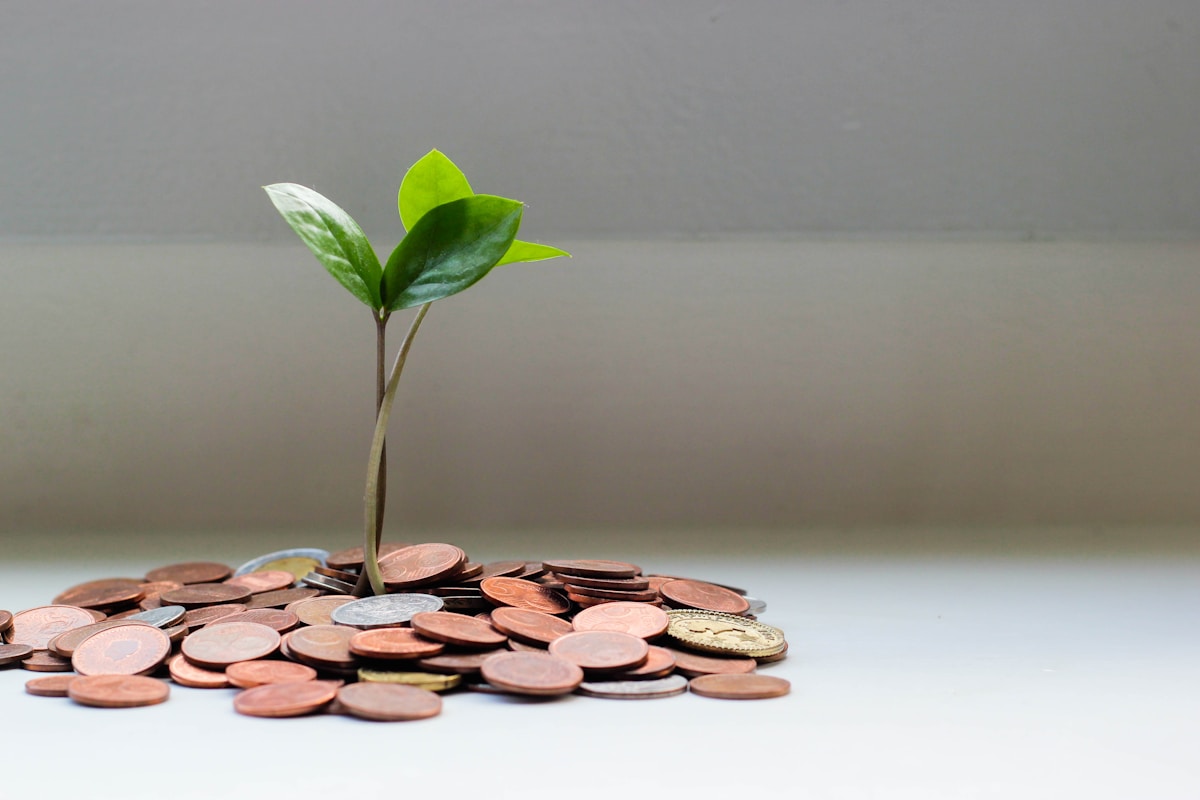
Myth 1: “ESG is Too Expensive for SMEs.”
Fiction: Implementing ESG initiatives requires massive financial investment that only large corporations can afford, immediately impacting your bottom line negatively.
Fact: This is perhaps the most pervasive ESG misconception SME owners hold. While some large-scale initiatives can be costly, ESG for SMEs isn’t about spending big; it’s about making smart, sustainable choices that often lead to cost savings and new revenue streams.
Increased Market Access: Many international buyers and even local larger corporations now prioritize ESG-compliant suppliers, potentially opening new markets and customer segments.
Start Small, Gain Big: Begin with low-cost, high-impact changes. Optimizing energy use (e.g., LED lighting, efficient machinery), reducing waste, or implementing better recycling programs often lead to significant operational cost reductions.
Access to Green Financing: Malaysian banks and financial institutions are increasingly offering “green” loans and grants with favorable terms for businesses demonstrating ESG commitment. This can make initial investments more accessible.
Long-Term ROI: Investing in ESG can reduce future risks (regulatory fines, supply chain disruptions) and improve efficiency, offering a strong return on investment over time. For example, adopting renewable energy can stabilize energy costs.
Can you think of one low-cost change your business has made that improved efficiency or reduced waste? How did it impact your bottom line?
Myth 2: “ESG is Only for Big, Multinational Corporations.”
Fiction: My SME is too small to make a difference, or ESG requirements won’t ever reach my business. It’s a game for giants.
Fact: This couldn’t be further from the truth. The global push for sustainability is creating a ripple effect that extends deep into the supply chains, directly impacting Malaysian SMEs.
Supply Chain Pressure: If you supply goods or services to larger clients (especially those that export to regions like the EU), they are increasingly mandated to assess and improve the ESG performance of their entire supply chain. Your ESG readiness becomes their ESG risk.
Customer & Employee Demands: Consumers, particularly younger generations, are more conscious about supporting ethical and sustainable businesses. Similarly, talented employees are drawn to companies with strong social and environmental values.
Local Impact is Global Impact: Every business, regardless of size, contributes to its local environment and community. Positive local actions by SMEs collectively drive significant national and global change.
Competitive Edge: Being an early adopter or a proactive implementer of ESG gives your SME a distinct competitive advantage, setting you apart from peers who delay.
Have any of your larger clients or partners started asking you about your environmental policies or social practices? What was your response?
Myth 3: “ESG is Just Greenwashing – All Talk, No Real Impact.”
Fiction: ESG is merely a marketing ploy or a public relations exercise designed to make companies look good without genuine commitment or measurable change.
Fact: While “greenwashing” – making unsubstantiated or misleading claims about environmental practices – is a real concern, it undermines the genuine efforts of legitimate ESG initiatives. The solution isn’t to dismiss ESG entirely, but to focus on authentic, transparent, and measurable actions.
Transparency is Key: True ESG is about verifiable data, measurable goals, and transparent reporting. It’s about demonstrating real impact, not just making vague statements.
Growing Scrutiny: Regulators, investors, NGOs, and the public are increasingly adept at identifying greenwashing. Companies engaging in it face significant reputational damage and financial penalties.
Authentic Commitment Drives Value: For SMEs, genuine ESG integration means embedding sustainability into core business operations, decision-making, and company culture. This builds trust, enhances brand reputation, and attracts long-term partners.
Focus on Action, Not Just Labels: Instead of worrying about sounding “green,” focus on concrete actions: reducing your carbon footprint, improving employee welfare, or strengthening ethical governance. These actions speak louder than any label.
How important is it to you that your business’s sustainability claims are genuine and verifiable? What steps do you take to ensure transparency?
The Reality: ESG is an Opportunity for Malaysian SMEs
ESG is not a fleeting trend or an insurmountable burden. It is a fundamental shift in how businesses operate, driven by global market forces, regulatory pressures, and societal expectations. For Malaysian SMEs, embracing ESG is an opportunity to:
- Enhance financial performance and attract investment.
- Strengthen supply chain relationships and unlock new markets.
- Attract and retain top talent.
- Mitigate risks and build long-term resilience.
- Contribute positively to Malaysia’s sustainable development goals.
Don’t let these common ESG misconceptions SME owners face hold you back. Start your journey today with informed decisions and strategic actions.
Ready to transform ESG challenges into opportunities? Contact SustainaBear for expert guidance tailored to your business needs. Let’s build a sustainable future, together.