
In today’s fast-evolving business landscape, “one-person companies” and “micro-enterprises” are becoming an undeniable force. You might be juggling multiple roles, adapting flexibly, and creating value with a lean operation. But when clients start asking about your Environmental, Social, and Governance (ESG) practices, do you feel puzzled, thinking ESG is a “privilege” for large corporations?
At SustainaBear, we firmly believe that even if you’re running solo or with a handful of employees, embracing ESG compliance isn’t a burden, but a strategic investment for future success.
Have you ever dismissed ESG because your “company is too small”? Or have clients started asking you ESG-related questions? Share your experience!
What Are One-Person Companies and Malaysian Micro-Enterprises?
To better understand, let’s clarify these concepts:
One-Person Company: As the name suggests, a one-person company typically refers to a business entity operated independently by a single individual. This founder or operator wears many hats – decision-maker, executor, sales, operations, and more. Its scale is minimal, possibly with no full-time employees, or only a few part-time collaborators or project-based partners.
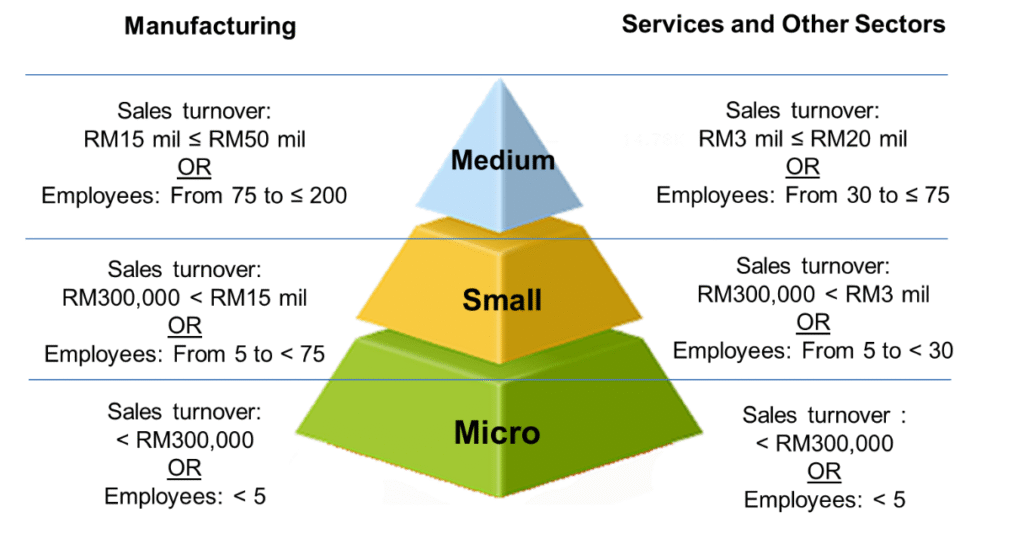
Malaysian Micro-Enterprise: According to the SME Corporation Malaysia, a micro-enterprise, across all sectors, is defined by: – Sales turnover of less than RM300,000 or – Less than 5 full-time employees. Typically, meeting just one of these criteria qualifies a business as a micro-enterprise. This means whether you’re managing a creative studio, a small e-commerce business by yourself, or running a small service shop with a few employees, you likely fall into this category.
Does your business fit the definition of a Malaysian Micro-Enterprise? How does this redefine your understanding of ESG?
Why One-Person Companies and Micro-Enterprises Are Better Suited for and Need ESG Compliance?
You might think, “My company is so lean, how can grand ESG issues apply to me?” Yet, it’s precisely your lean and flexible nature that gives you an edge in starting your ESG journey.
1. Client-Driven Demand: An Entry Ticket, Not an Option
- Supply Chain Pressure: Your clients, especially larger ones or those with international operations, face increasingly stringent ESG requirements. They need to ensure their supply chains (including micro-suppliers like you) also meet certain ESG standards. Even as a one-person company, if your product or service is part of their supply chain, you’ll need to provide ESG-related information.
- Trust and Preference: End consumers and B2B clients are increasingly choosing transparent and responsible suppliers. Demonstrating your ESG commitment, even with small efforts, can become a valuable asset in winning client trust and orders, potentially even an essential entry ticket.

The Small Bakery’s Big Opportunity.
Imagine you run a small, artisanal bakery.
A large corporate catering company or a hotel chain wants to source your delicious, locally-made pastries. They, in turn, are accountable to their own clients or shareholders for supply chain integrity. They might ask about your sourcing of ingredients (e.g., sustainable palm oil, fair trade cocoa), your waste management practices, or your labor practices.
Your ability to answer these questions with confidence, backed by verifiable efforts, becomes crucial for securing that potentially game-changing contract.
2. Cost-Efficiency & Risk Mitigation: Agile Front-Runners
- Low-Cost Start-up Advantage: Compared to the complex system overhauls of large enterprises, one-person companies and micro-enterprises can start with basic, direct actions that often have relatively lower costs. For example, optimizing energy use, reducing office waste, ensuring product traceability, and fair treatment of collaborators are often operational improvements, not massive investments.
- Proactive Risk Avoidance: Understanding and adapting to ESG trends early can help you avoid future regulatory risks, client attrition risks, and reputational risks. For instance, if you’re involved in export, compliance with international regulations (like the EU Deforestation Regulation – EUDR) will be crucial.
- Improved Operational Efficiency: Many ESG practices (such as energy saving, water conservation, waste management) are essentially about optimizing resource utilization, directly reducing operational costs, and increasing efficiency.
3. Brand Building & Value Enhancement: Unique Positioning Opportunity
- Differentiated Competition: When most peers haven’t yet realized ESG’s importance, you, by embracing ESG first, can establish a unique and positive brand image in the market, attracting like-minded clients and partners.
- Attracting Talent and Collaborators: Even a one-person company might need external collaboration or future hiring. ESG-conscious companies are more likely to attract excellent talent and collaborators who value social responsibility.
- Access to Green Finance: Banks and investors are offering more green loans and funding to support businesses with good ESG performance. Your ESG commitment could secure better financing terms for your future business expansion.
4. Agile Decision-Making, Rapid Implementation: Small Boat, Quick Turns
- Nimble Adjustments: One-person companies and micro-enterprises have shorter decision-making processes and lower transformation costs. Once the importance of ESG is recognized, they can quickly adjust operational strategies, integrating ESG principles into core business, which is much more efficient than the extensive internal coordination of large enterprises.
- Start Small, Continuously Improve: You don’t need to do everything at once. You can start with the most relevant environmental or social aspect – for example, focusing solely on energy consumption, waste recycling, or ensuring fair sourcing – then gradually expand and continuously improve.

The Eco-Conscious Cafe’s Corporate Gig.
Consider a small, independent coffee shop with a reputation for ethically sourced beans and compostable cups.
A multinational corporation is hosting a major event and needs barista services. Beyond competitive pricing, they prioritize vendors whose values align with their own ESG goals.
Your cafe’s proven commitment to sustainable sourcing, fair wages for staff (even if it’s just you and a part-timer), and responsible waste disposal could be the deciding factor that wins you the prestigious event contract over a larger, less sustainable competitor.
In which ESG areas do you think your micro-enterprise can make the most direct and effective improvements?
SustainaBear: Your ESG Compliance Partner
By now, you might understand the importance of ESG, but perhaps you’re also thinking: “How can I do this alone? Who will guide me?” This is precisely where SustainaBear can help.
We understand the unique needs and resource limitations of one-person companies and micro-enterprises. SustainaBear aims to:
- Clear and Understandable Guidance: We translate complex ESG concepts and regulations into practical, actionable steps that are easy for you to understand and execute, removing your confusion.
- Tailored Solutions: We don’t offer “one-size-fits-all” solutions. SustainaBear will customize the most suitable ESG compliance path for you, based on your business nature, industry characteristics, client requirements, and existing resources, starting small and optimizing step-by-step.
- Efficiency and Compliance in Tandem: We help you integrate ESG practices into your daily operations, rather than making them an additional burden. This not only helps you meet client and regulatory demands but also enhances your operational efficiency.
- Provide Practical Tools and Resources: We can provide or recommend ESG assessment tools, reporting templates, and policy development advice that fit your scale and needs, ensuring your ESG journey is well-structured.
If SustainaBear could help you solve one ESG challenge, what would it be?
SustainaBear’s consultant has spent over 20 years on the client side—leading responsible procurement and ESG compliance for both global MNCs and Malaysian SMEs. That means we understand what works in practice, not just on paper. From modern slavery risks to carbon reporting and inclusive spend, we help you meet ESG expectations with clarity, realism, and audit-readiness—without the overwhelm. Contact SustainaBear for expert guidance tailored to your business needs. Let’s build a sustainable future, together.